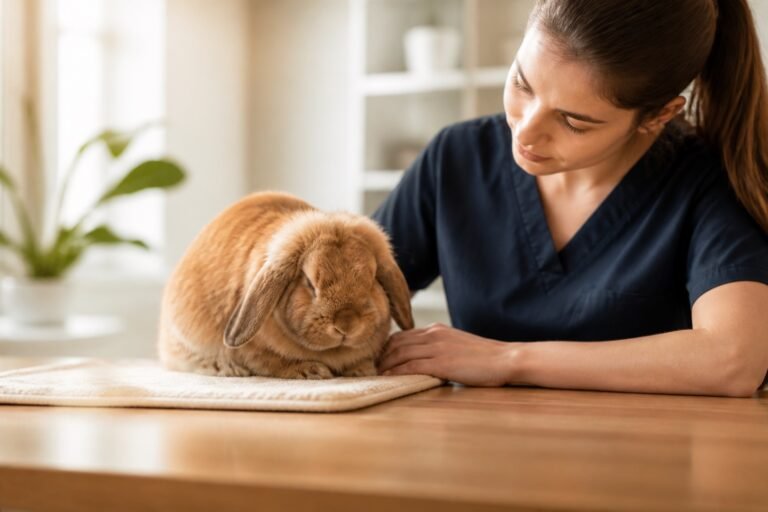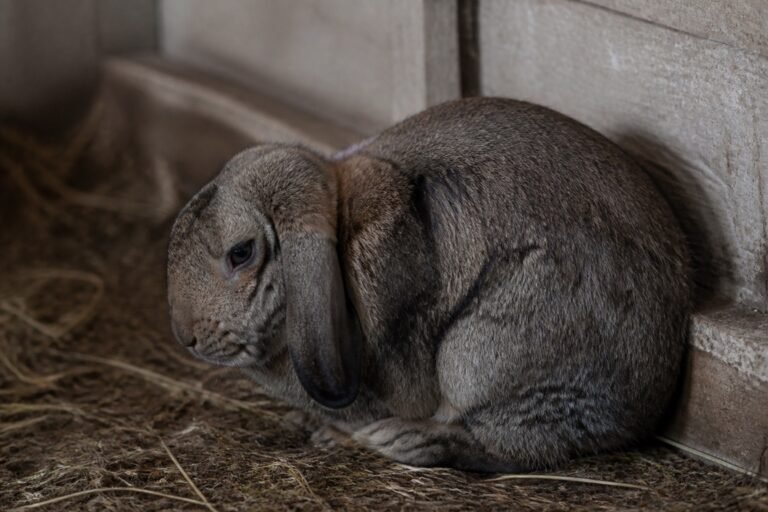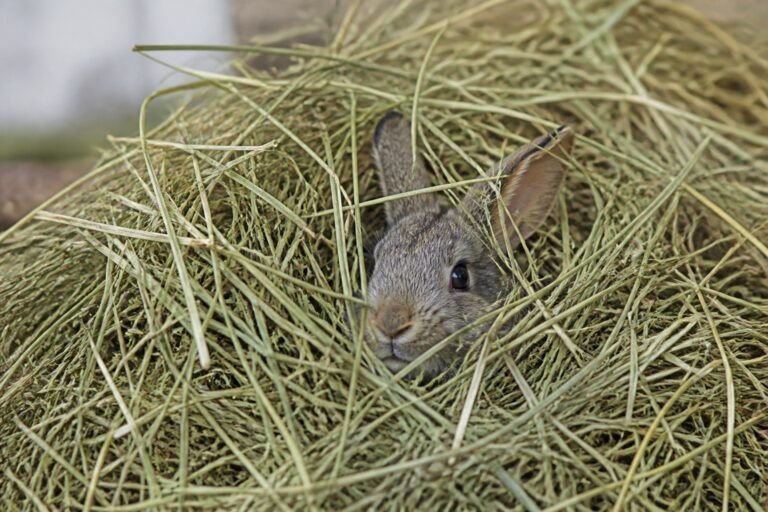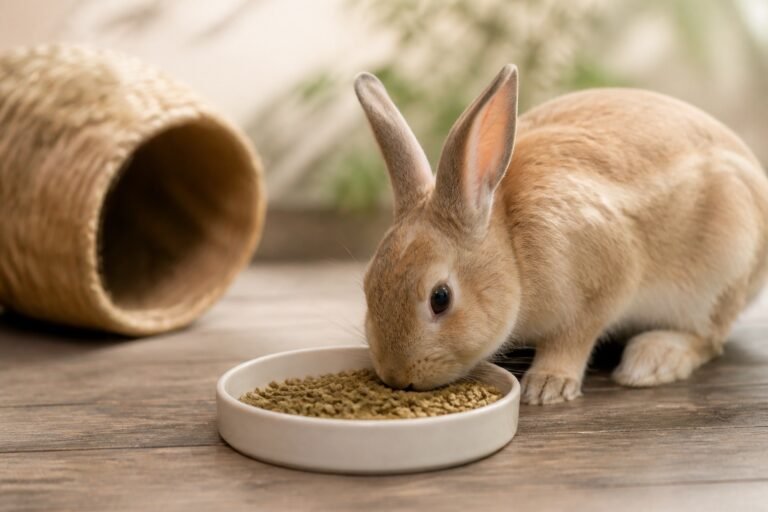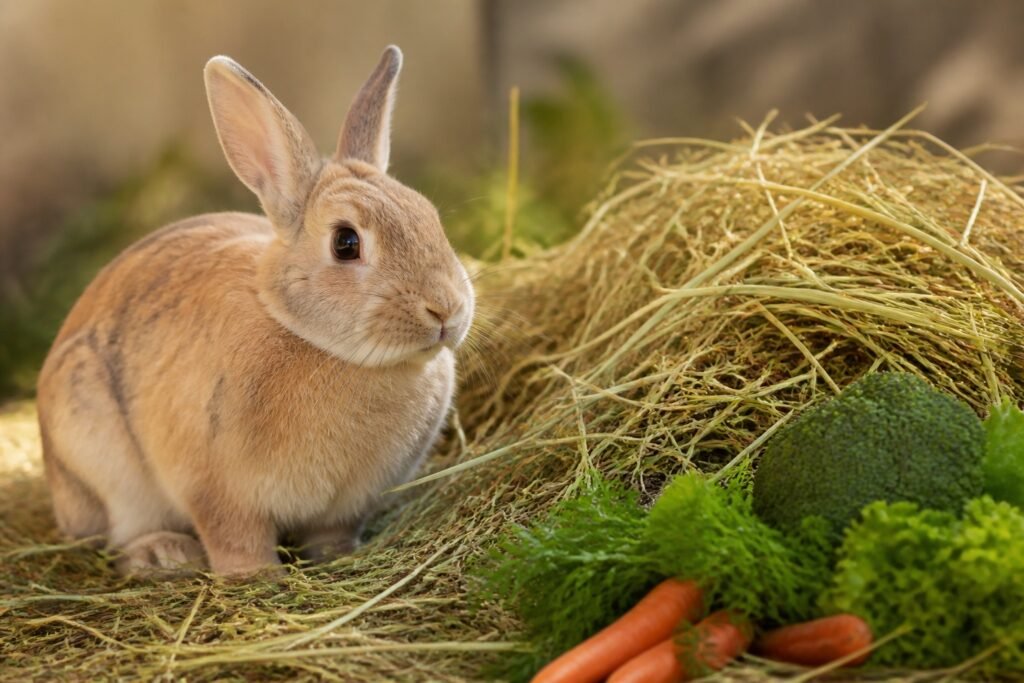
Grass hay (timothy, fescue, oats, etc.) should be the rabbit's main food: long fiber for teeth and intestine. Without hay at will, the risk of ileus and malocclusion increases.
Caution.Remove seeds, bones, sweeteners and seasonings. When in doubt, don't offer. Related:does not eat · ileus · how much hay · guide.
Editorial Nutrition.Therapeutic quantities and diets are defined by your veterinarian. For multi-species verdicts use thefood base.
Food base (rabbit)
This guide treats “rabbit hay” with criteria ofrabbit: complete diet when available, limited treats and slow transition.
- Don't improvise homemade diets without balance.
- Introduce gradual changes and record stool/appetite for 48–72 hours.
- Ante vómito, diarrhea, anorexia o sospecha de toxic: clínica.
What not to do
- Do not copy baths, fasts or drugs designed for dogs/cats.
- Do not use this piece for clinical doses or to replace analytical tests.
Based on reference sources. Orientación por species, anclada a fuentes de referencia. No sustituye atención veterinaria.
Practical detail
- Hay (e.g. fescue/timothy depending on age) must be availablead libitum; It is the fiber base.
- If the rabbit selects only pellets or vegetables and leaves the hay, reduce treats and check the quality/freshness of the hay.
- Teeth and feces: changes in pellet size or anorexia → exotic vet.
Frequently asked questions
Can I copy a tip from another species?
No. Do not copy baths, fasts or medications designed for dogs/cats.
Home medication
Do not use human drugs or viral tips.
Does this replace a veterinarian?
No.
Sources
- Merck—Rabbits www.merckvetmanual.com· consulted 2026-08-07
- RWAF — Rabbit care (UK) rabbitwelfare.co.uk· consulted 2026-08-07