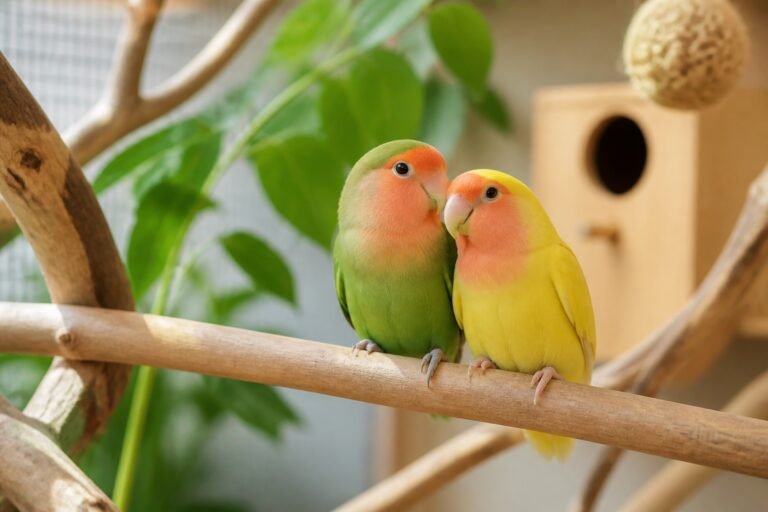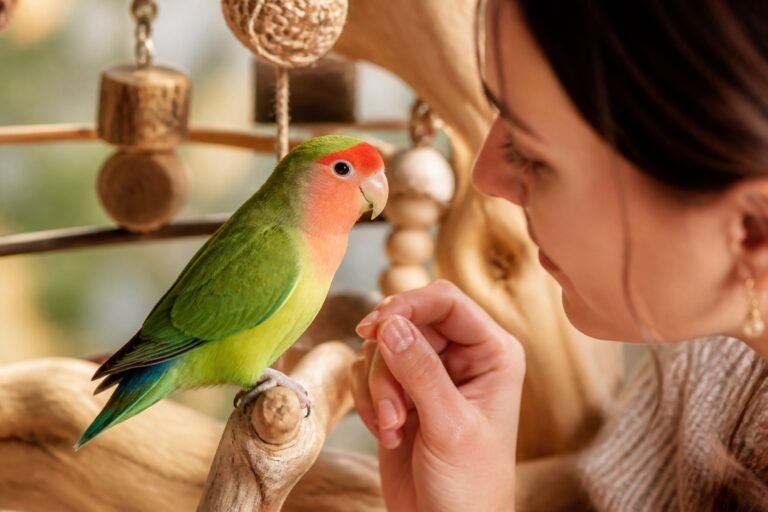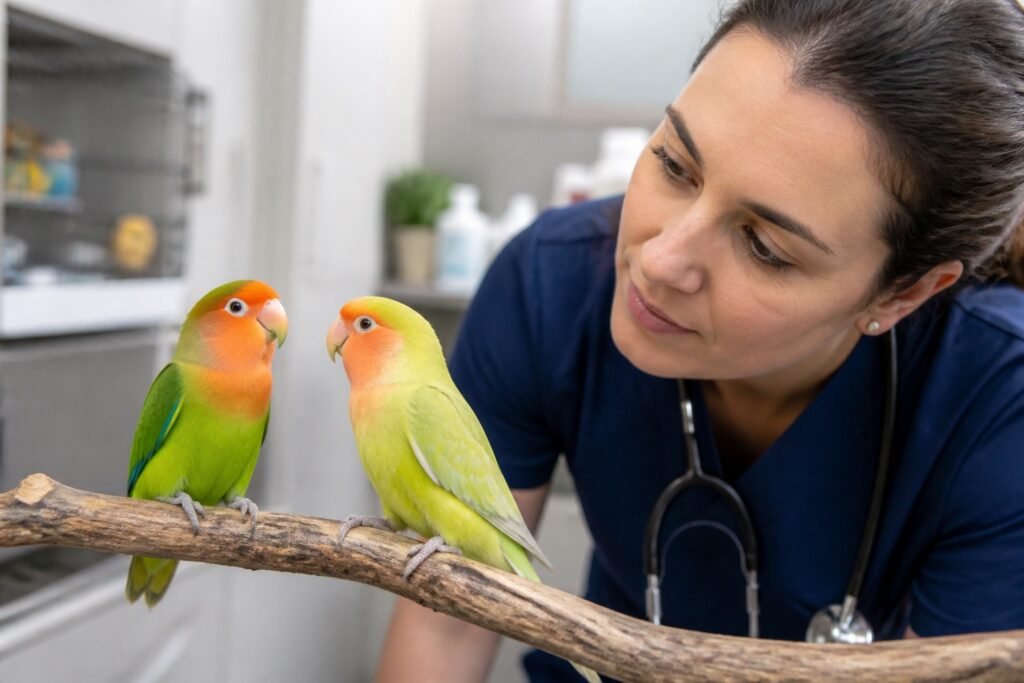
In many species of lovebirds the dimorphism is poor to the eye: DNA or veterinary endoscopy give certainty. Behavior and size are not DNA.
Don't just trust the store tip.Ask for a health history and observe the animal in person when you can. Related:Introduction · how long do you live.
Identificación / breeds (ave)
"distinguishing lovebird sex" is typological guidance, not a genetic test or a diagnosis.
- For detailed sheets use theEncyclopedia.
- La salud individual manda sobre estereotipos de breed.
Based on reference sources. Orientación por species, anclada a fuentes de referencia. No sustituye atención veterinaria.
Practical detail
- Visual identification has margins of error; confirm with professional if it matters clinically.
- Para tipología de breed, prioriza la Encyclopediaagainst stereotypes.
What can be seen at home
- In many lines of lovebirds the dimorphism issubtle or noneby eye: color, size or "behavior" are not enough to certify sex.
- It is useful to note: approximate age, shedding, heat, seasonal aggressiveness and whether there is a lay — these are clues of status, not genetic diagnosis.
When to ask for proof
- If you are going to match, sell as a "couple" or separate by sex: askgenetic sexing(feather/blood) to laboratory or avian clinic.
- Avoid internet "tricks" (pelvis, beak, behavior) as the only source: they generate errors and unnecessary social fights.
Frequently asked questions
Can I copy a tip from another species?
No. Do not apply mammalian diets or drugs; birds mask disease.
Home medication
Do not use human drugs or viral tips.
Does this replace a veterinarian?
No.
Sources
- Merck — Pet birds www.merckvetmanual.com· consulted 2026-08-07
- AVMA—Birds www.avma.org· consulted 2026-08-07