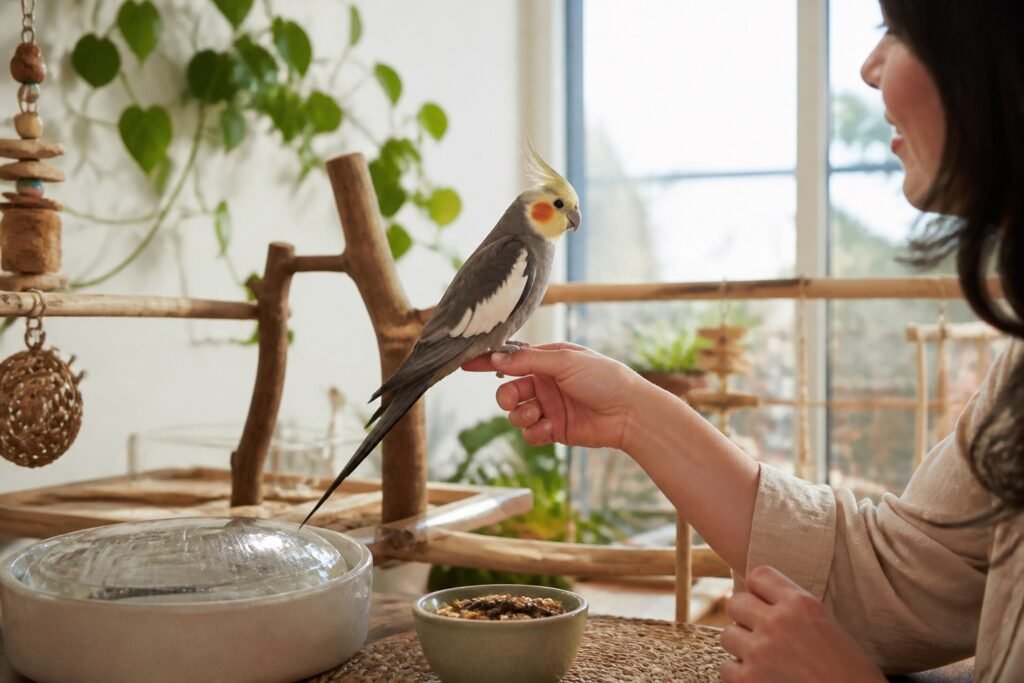
The minimum recommended cage for nymphs should allow for short horizontal flights, bars of different diameters, duplicate feeders and waterers, and a sleeping area. A tall, narrow “decoration” cage creates stress, screaming, foot problems, and chronic frustration.
Safety first.Remove threads, questionable metals, toxic bells and pieces that fragment. Related:longevity · nutrition · shouting.
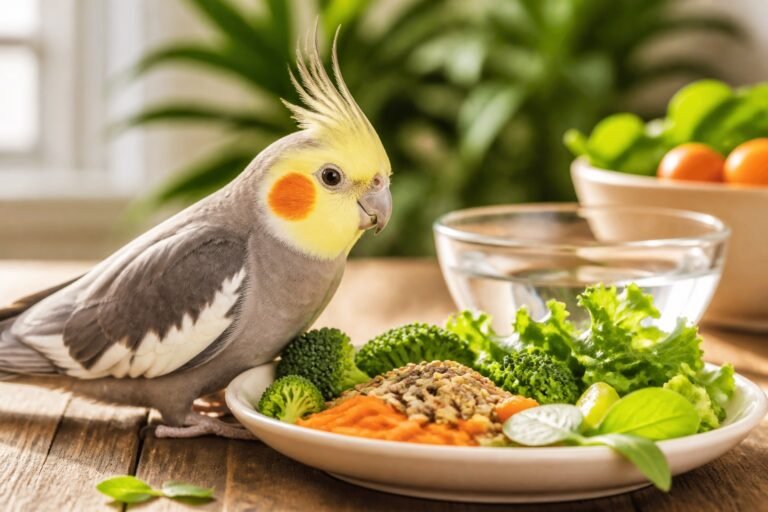
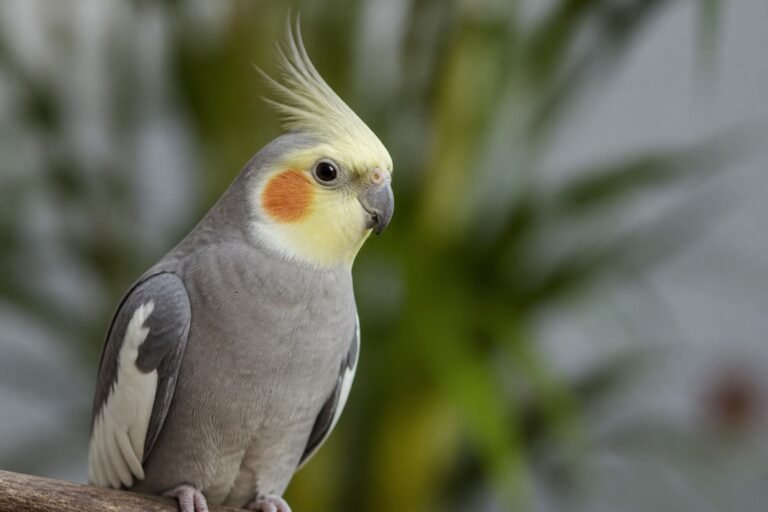
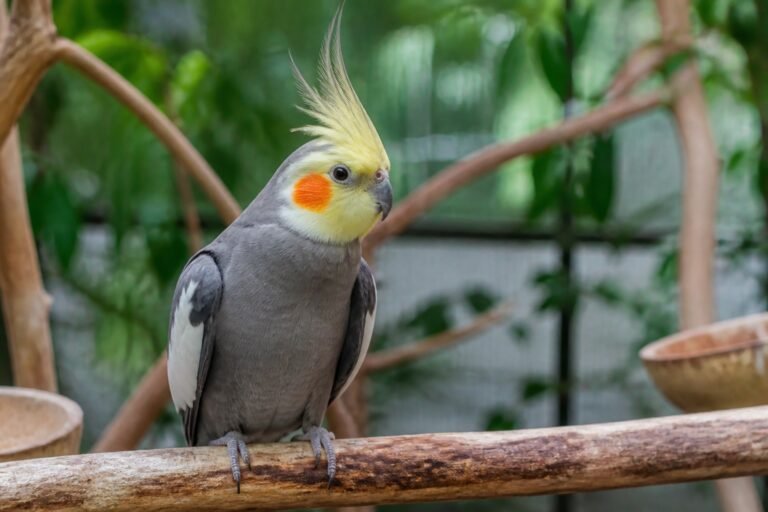
The nymphs (Nymphicus hollandicus) are active psittacines that climb, chew and need real horizontal space. In stores you still see vertical cages designed to "fit in the living room", not for the bird. The useful editorial criterion is the other way around: first the natural behavior, then the furniture.
There is no single universal magic number in all regulations, but there is a practical consensus among wellness guides: prioritize width and depth over tower height; secure bars; various hangers; and supervised time out when the home is safe. Si dudas entre dos modelos, elige el más ancho, estable y fácil de limpiar.
The habitat does not end at the cage. Location (no kitchen or currents), photoperiod, foraging, and social companionship (human or compatible conspecific) weigh as much as centimeters. A correct, poorly placed cage is still a bad home.
Base reference:Merck — Pet birds; wellness en RSPCA—Birds.
What to look for in size and shape
- Widthallows short flight sections and lateral movement.
- Bars:adequate separation so that the head does not get trapped; Safe material and doors that close well.
- Stability:firm base; Avoid towers that wobble when climbing.
- Access:Large doors facilitate cleaning and enrichment without daily stress.
A small budgie cage often falls short for an active adult nymph. Oversizing is smarter than “just right.”
Perches, feet and rest
- Various hangersdifferent diameters(safe natural wood better than just smooth plastic).
- Avoid having all perches at the same height or directly above food/water (contamination).
- Leave arest cornermore covered, away from currents and the constant passage of people.
- Check the soles of the feet: lameness, scales or refusal to perch deserve an avian veterinarian.
Minimum daily enrichment
- Rotating toys (not all at once: controlled novelty).
- Foraging: food wrapped in safe paper, tongs, suitable destroyables.
- Bath or gently spray according to the bird's preference.
- Supervised time out if windows, kitchens and other animals are controlled.
- Regular light and dark; Avoid loud TV as the only stimulus.
Location and household risks
Do not place the cage in the kitchen: fumes and overheated non-stick surfaces are serious dangers for birds. Avoid drafty windows, direct radiators and unattended terraces. Wires, unsecured mirrors, and toxic plants should be out of the free flight radius.
If the nymph screams a lot when left alone, check enrichment and routine before blaming "character" alone. A poorly enriched minimum cage multiplies frustration.
One or two nymphs: space implications
Two birds need more usable volume, duplicate feeders/waterers, and compatibility monitoring. Don't improvise a cage just because they fit. Overcrowding increases fights and stress. If you adopt a partner, plan the habitat before arrival.
Based on reference sources.Faunexia editorial guidance on habitat for nymphs. It does not replace evaluation by an avian veterinarian in case of lameness, dyspnea or behavioral changes.
Frequently asked questions
What is the minimum recommended cage for nymphs?
One that allows real horizontal movement, not a tall, narrow cube. If you hesitate between two, choose the widest, most stable and easiest to enrich.
Is a parakeet cage useful?
It usually falls short for an active adult nymph. Better to oversize from the beginning.
Do I prioritize height or width
Prioritizes width and depth for short flights and displacement. Height helps, but it doesn't compensate for a narrow tower.
Is the cage enough without time out?
A generous cage is the base; Supervised time away adds comfort if the home is safe. It does not replace space or enrichment within.
Does this replace a veterinarian?
No. Foot, breathing or extreme behavior problems require an avian clinic.
Sources
- Merck Veterinary Manual — Pet birds merckvetmanual.com· consulted 2026-08-13
- RSPCA—Birds rspca.org.uk· consulted 2026-08-13
- ASPCA — Bird care aspca.org· consulted 2026-08-13