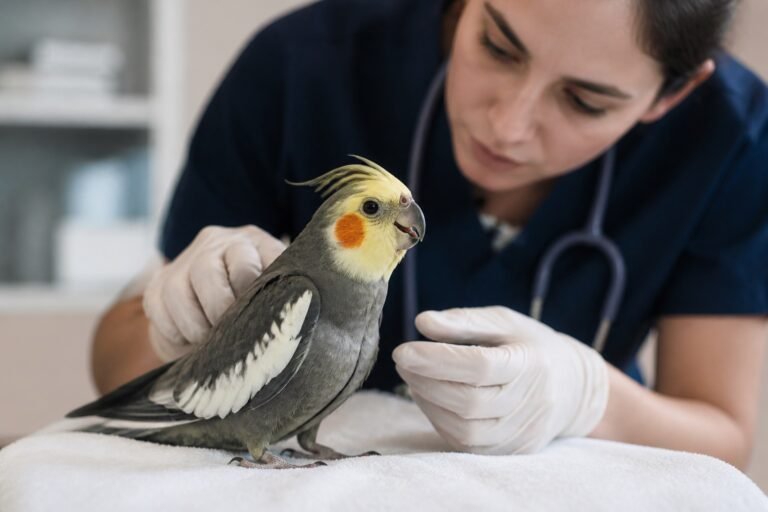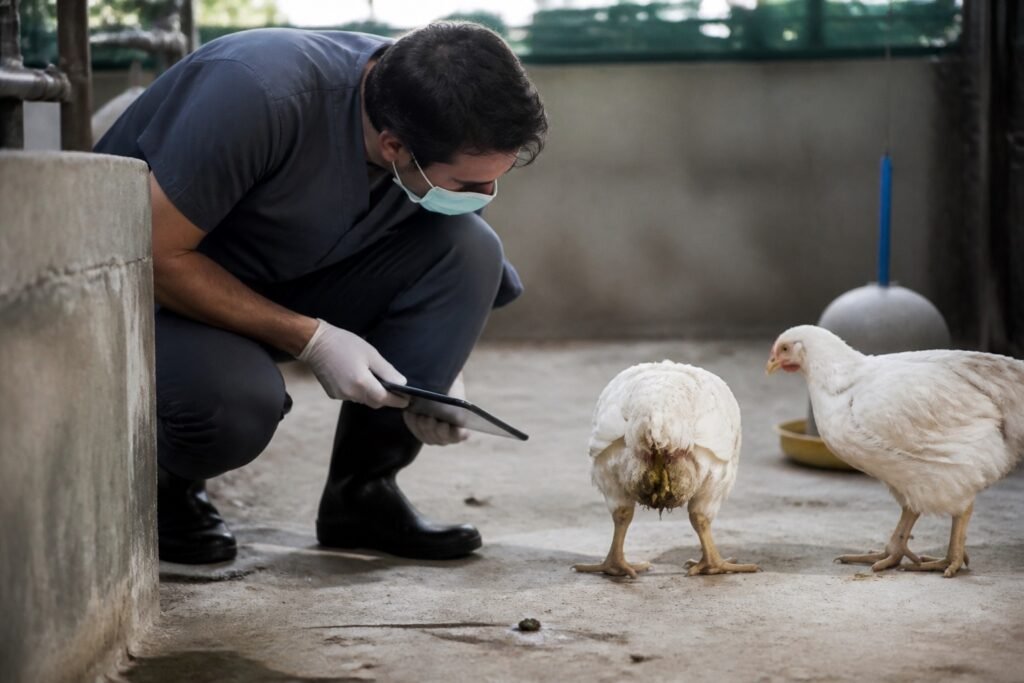
Changes in bird feces/urates may indicate stress, diet or illness. Anorexia, dyspnea, lethargy or very altered stools in small birds are an emergency. Bird/exotic veterinarian.
What to do now.Weigh the bird, check the environment (drafts, toxins, smoke) and stop offering viral tips. Related:bird does not eat
Definition (guideline)
Reference:Merck — birds
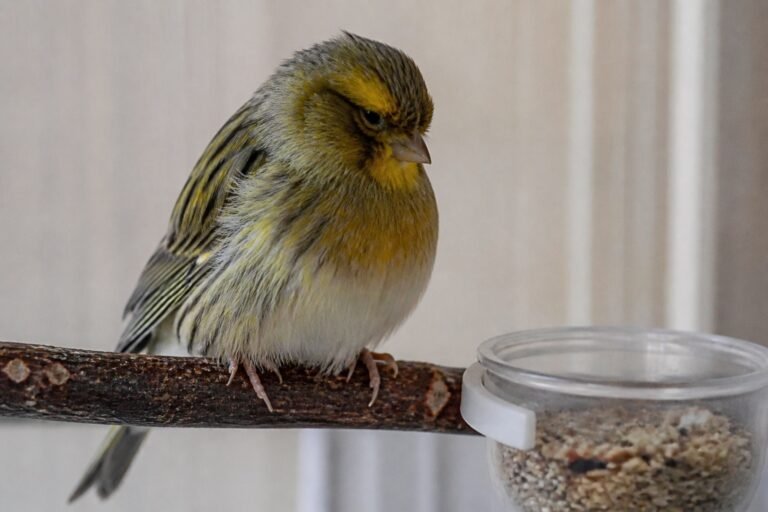
Birds mask illness: an isolated fecal change does not diagnose, but together with apathy it is an alarm.
Triage by duration, frequency and condition
- Species:bird.
- An isolated episode in an active animal ≠ repeated signs, blood, pain or lethargy.
- Puppies/kittens, seniors and animals with chronic illness: lower threshold.
Warning signs — go
- No come, plumas erizadas, disnea, diarrhea intensa, sangrado.
What not to do
- No mammalian medication. Don't wait days on small birds.
What to bring to the consultation
- Diet, cage, new foods, cage bottom photos.
Based on reference sources.Editorial criteria anchored to reference sources (Merck, AVMA, ASPCA or others cited). It does not replace in-person veterinary care. No operative doses no source of the case.
Frequently asked questions
Can I medicate at home
Do not use human drugs or viral tips without veterinary indication.
Do you wait "to see if it goes away?"
Not if there is alarm, suspected toxicity or high-risk animal.
Does this replace a veterinarian?
No.
Sources
- Merck Veterinary Manual — Pet birds www.merckvetmanual.com· consulted 2026-08-07