The nitrogen cycle converts toxic waste (ammonia → nitrite → nitrate) thanks to nitrifying bacteria in the filter and aquarium surfaces. Mounting fish before the cycle is established is a common cause of mortality.
Species/context: freshwater aquariums (fish).This guide does not include snacks, walks, family rules, mammal heat or a “7-day plan” for behavior. Related:fish hub.
What is the cycle (useful summary)
Reference:Merck — aquarium fish
- Ammonia (NH₃/NH₄⁺):very toxic; It comes from feces, urine, leftover food and organic matter.
- Nitrite (NO₂⁻):also toxic; It is produced by bacteria that oxidize ammonia.
- Nitrate (NO₃⁻):less acute, controlled with water and plant changes/maintenance.
How to tell if it is cycled
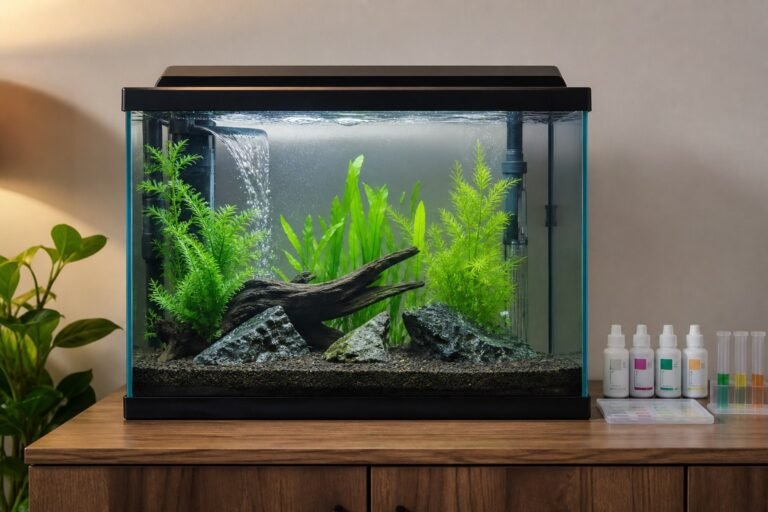
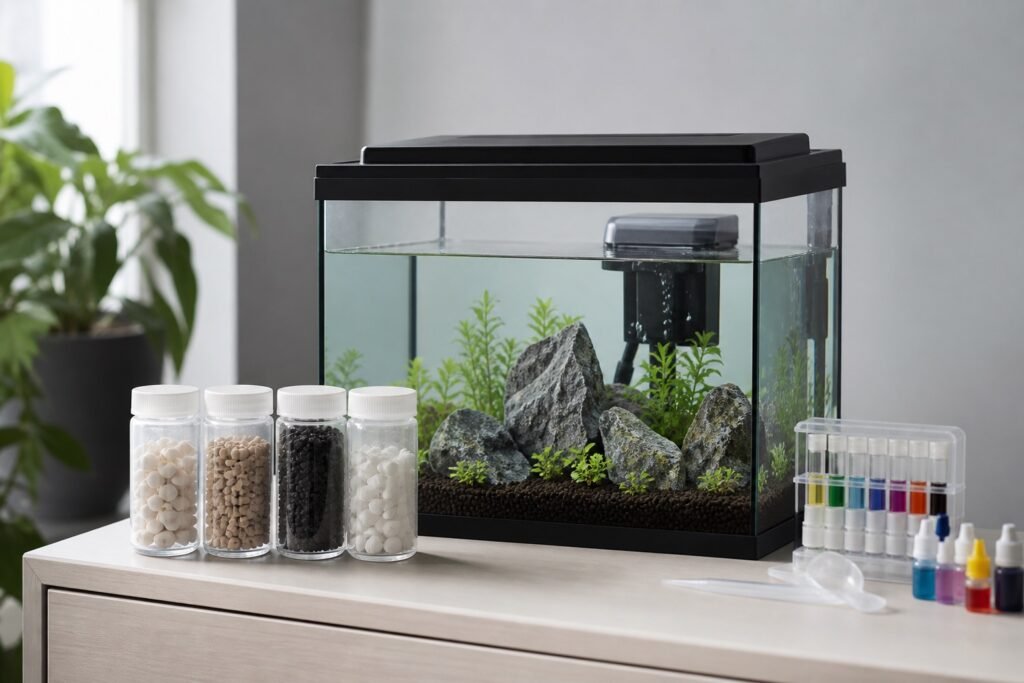
- Use reliable aquarium tests (liquid kit preferable to dubious strips).
- Typical practical goal in established freshwater: ammonia and nitrite undetectable or at kit minimum; controlled nitrates with partial changes.
- Cycling time varies (often weeks). There is no universal magic calendar.
What to do when riding
- Install the appropriate filter, temper, and condition the water according to the product and type of aquarium.
- Fishless cycling with controlled ammonia source, or very gradual loading only with experienced judgment.
- Do not wash the filter material with hot tap water: you destroy the bacterial colony.
Alarm signs in fish
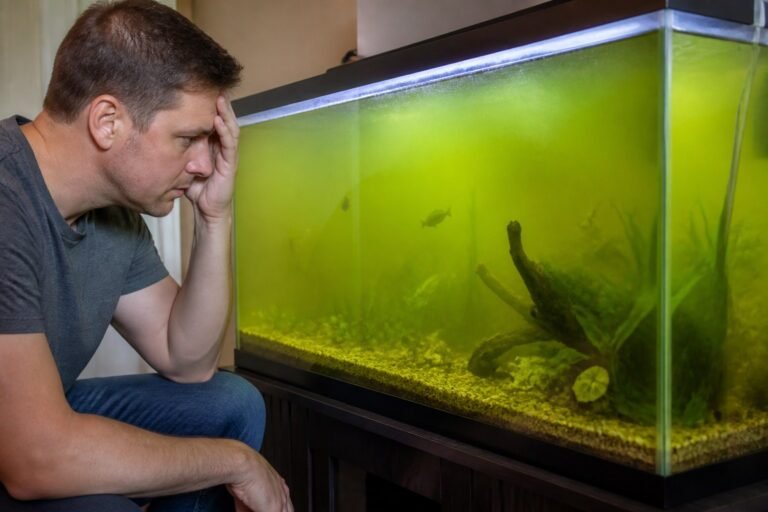
- Gasping at the surface, lethargy, stuck fins, sudden death after a change or overfeeding.
- Ammonia/nitrite elevated in the test.
What not to do
- Don't add a large load of fish on day 1.
- Do not "medicate" blindly or use network remedies without a diagnosis.
- Don't mix dog/cat advice in water maintenance.
Review by aquarium/exotics professional: pending.Editorial orientation.
Frequently asked questions
Can I speed up the cycle with miracle products
There are commercial bacteria of variable quality; They do not replace tests or patience. Read the product sheet.
100% water change every day
Regular partial changes are usually more stable; 100% can stress parameters and colony if done wrong.
Does this replace the professional
No. If there is mortality or critical parameters, consult someone with experience in aquariums.
Sources
- Merck Veterinary Manual — Aquarium fish: water quality management and nutrition of aquarium fish· consulted 2026-08-07
- USGS/EPA — Nitrogen cycle (environmental educational)context of the biogeochemical cycle; always apply with home aquarium tests