Cooked white rice, without salt or frying, can be used in dogs as part of a temporary soft diet if your veterinarian indicates it after a mild digestive disorder. It's not a superfood or dinner for life.
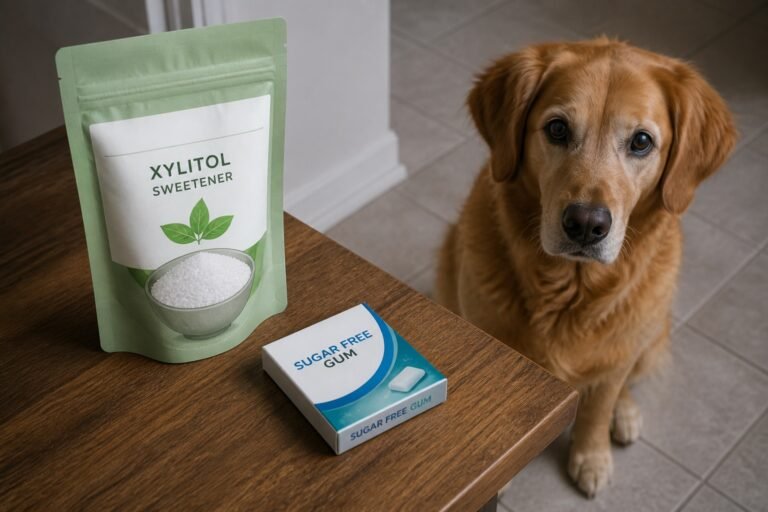
The question “can my pet eat this?” almost never has an absolute yes/no without looking at the individual's format, quantity, and health. An occasional chunk in a healthy adult is not the same as a daily habit, a puppy, an animal with kidney/liver disease, or a product processed with salt, onion, xylitol, or chocolate.
Use this guide to decide judiciously: what form is acceptable, how to prepare it, what indicative amount makes sense, and when to stop. If there has already been a large ingestion or ingestion of a known toxicant, do not “wait to see”: write down the time, amount and contact your veterinarian or toxicologist.
Caution.Remove seeds, bones, sweeteners and condiments. If in doubt, do not offer. Related:diarrhea · vomiting · toxic.
What really matters
- Species and physiology:a strict carnivore (cat), an omnivore (dog), a herbivore (rabbit) or a bird/fish do not metabolize the same human snack the same way.
- Format:raw vs cooked, with skin/bone/seed, canned, sofrito or “sugar free” change the risk completely.
- Doses:the premium should be minimal versus the full diet; in mammals, a common guideline rule is not to exceed ~10% of daily calories in snacks.
- Individualobesity, pancreatitis, diabetes, allergies, or therapeutic diet can turn a “moderate yes” into a “no.”
How to offer (if applicable)
- Choose the simple version:without salt, sugar, onion, garlic, sauces or sweeteners.
- Prepare insurance:removes dangerous parts (seeds, cooked bones, cob, toxic green plants as appropriate).
- Chop to size:prevents choking; in small animals, minimal sheets or dice.
- Minimum test:observes 24–48 h feces, vomiting, itching or apathy before repeating.
- Do not substitute:the snack does not replace feed/hay/pellets formulated for the species.
Common errors
- Share “a little of everything” from the table (stir fry, sausages, desserts).
- Confusing human (“natural”, “sugar-free”) marketing with veterinary safety.
- Using human food as a monodiet or daily emotional blackmail.
- Ignore late signs (especially in toxins with a window of hours).
When to go to the vet
- Persistent vomiting/diarrhea, blood, decay, or refusal of food/water.
- Ingestion of known toxicant or unknown large amount.
- Difficulty breathing, tremors, collapse or pale/bluish mucous membranes.
Frequently asked questions
Have you eaten it and “it's okay”?
The absence of immediate signs does not close the case on deferred action toxicants. Write down the amount/hour and ask if the food is risky or the dose was high.
Can it be a training prize?
Only if the verdict allows it and in minimal pieces. Count those calories within the daily total.
Puppies / seniors / sick?
Stricter: Ask your vet before introducing new snacks.
Does this replace a veterinarian?
No. It is editorial guidance; an animal with severe signs needs exploration.
Sources
- ASPCA — People foods to avoid aspca.org
- Merck — Food hazards merckvetmanual.com
- AVMA — Household hazards avma.org