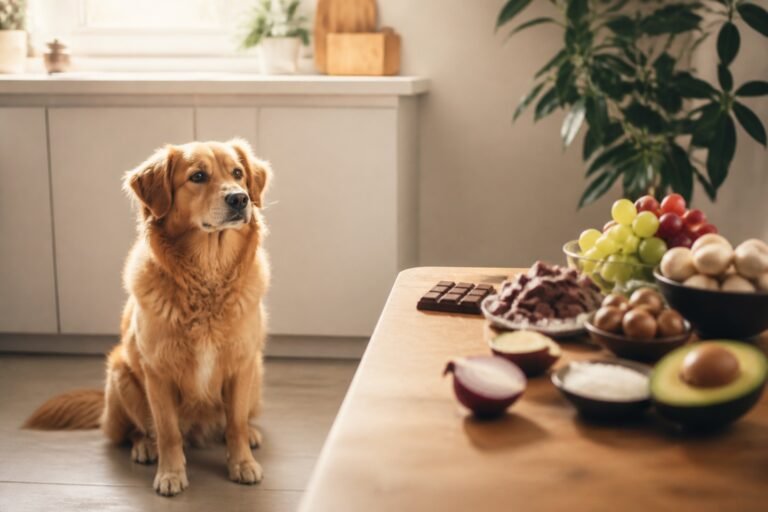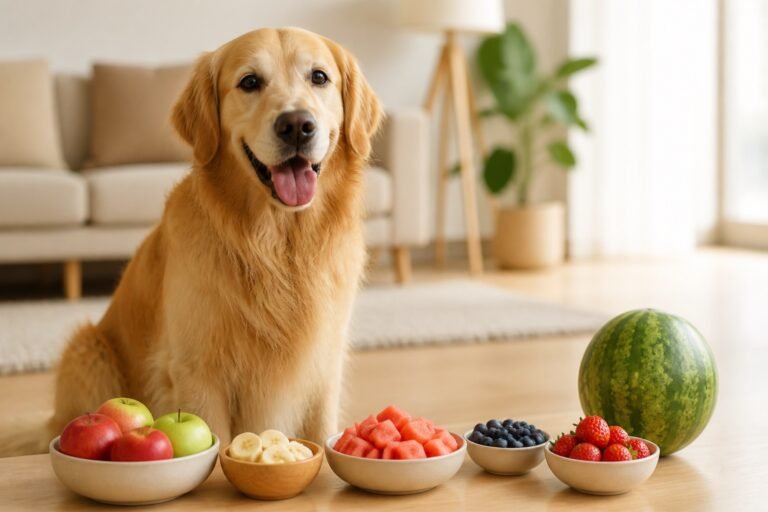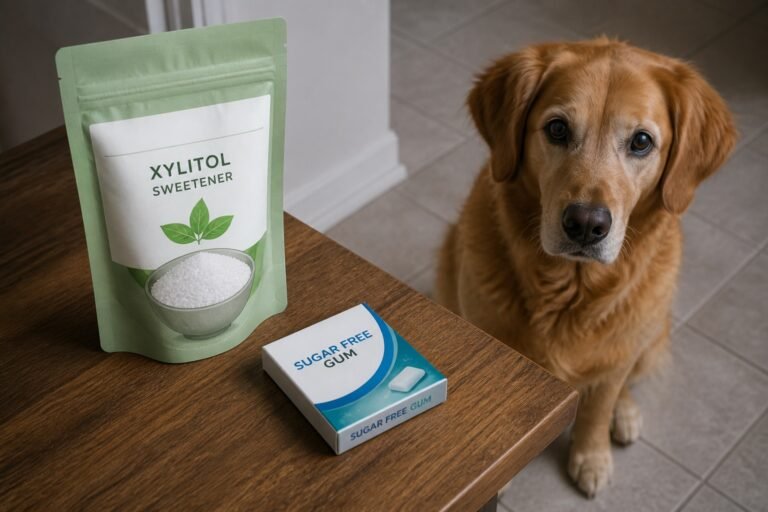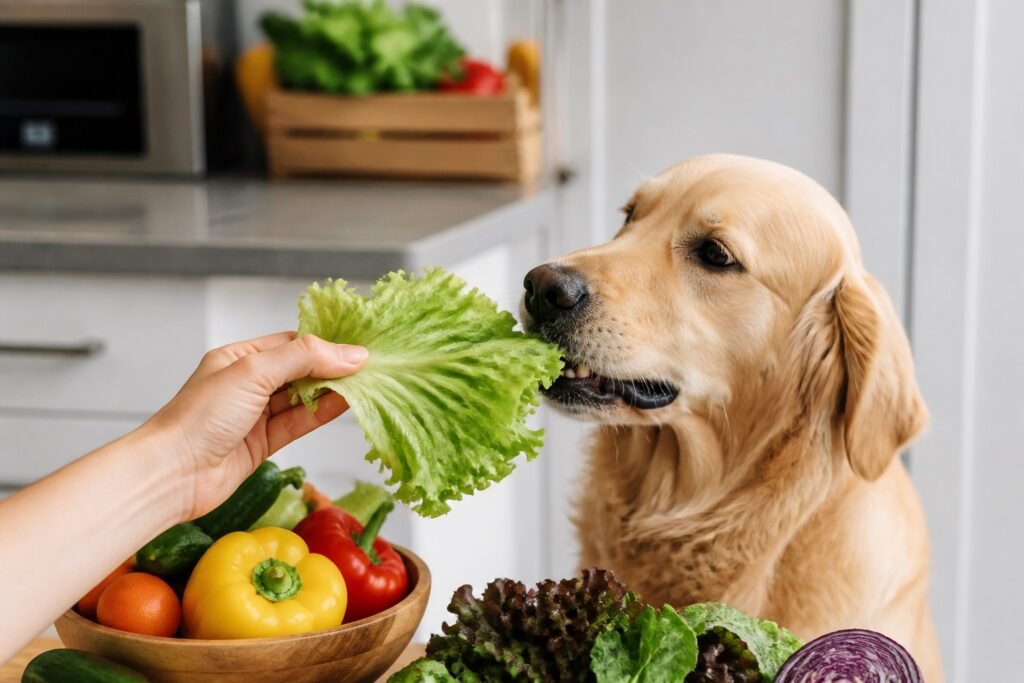
Washed lettuce, cut into small pieces and without dressing, can be a low-calorie treat for healthy dogs. It provides little dense nutrition: it is texture and water, not main food. Avoid salads with onion, garlic, avocado, grapes or sauces.
The question “can my pet eat this?” It almost never has an absolute yes/no without looking at format, quantity and health of the individual. An occasional bite in a healthy adult is not the same as a daily habit, a puppy, an animal with kidney/liver disease or a product processed with salt, onion, xylitol or chocolate.
Use this guide to decide judiciously: what shape is acceptable, how to prepare it, what guideline amount makes sense, and when to stop. If there has already been a large ingestion or a known toxin, do not "wait and see": write down the time, quantity and contact a veterinarian or toxicology.
Caution.Remove seeds, bones, sweeteners and seasonings. When in doubt, don't offer. Related:prohibited · fruit.
What does it really matter?
- Species and physiology:A strict carnivore (cat), an omnivore (dog), a herbivore (rabbit) or a bird/fish do not metabolize the same human snack in the same way.
- Format:raw vs cooked, with skin/bone/seed, canned, stir-fried or “sugar free” change the risk completely.
- Dose:the reward should be minimal compared to the full diet; In mammals, a common rule of thumb is not to exceed ~10% of daily calories in snacks.
- Individual:Obesity, pancreatitis, diabetes, allergies or therapeutic diet can turn a "moderate yes" into a "no."
How to offer it (if applicable)
- Choose the simple version:without salt, sugar, onion, garlic, sauces or sweeteners.
- Prepare insurance:Remove dangerous parts (seeds, cooked bones, cob, toxic green plants as the case may be).
- Cut to size:prevents choking; in small animals, minimal sheets or dice.
- Minimum test:Observe stool, vomiting, itching, or apathy for 24–48 hours before repeating.
- Do not substitute: el snack no reemplaza kibble/heno/pellets formulados para la species.
Common mistakes
- Share "a little bit of everything" from the table (stir-fried dishes, sausages, desserts).
- Confusing human marketing (“natural”, “sugar-free”) with veterinary safety.
- Using human food as a monodiet or daily emotional blackmail.
- Ignorar signos tardíos (sobre todo en toxics con ventana de horas).
When to go to the vet
- Vómitos/diarrhea persistentes, sangre, decaimiento o rechazo de comida/agua.
- Ingestión de toxic conocido o cantidad grande desconocida.
- Respiratory difficulty, tremors, collapse or pale/blue mucous membranes.
Frequently asked questions
If you have eaten it and "it is fine"
The absence of immediate signs does not close the case in delayed-action toxicants. Write down quantity/time and check if the food is risky or the dose was high.
Can it be a training reward
Only if the verdict allows it and in minimal pieces. Count those calories into your daily total.
Puppies / seniors / sick
More strict: ask your veterinarian before introducing new snacks.
Does this replace a veterinarian?
No. It is editorial guidance; an animal with severe signs needs exploration.
Sources
- ASPCA — People foods to avoid aspca.org
- Merck — Food hazards merckvetmanual.com
- AVMA — Household hazards avma.org