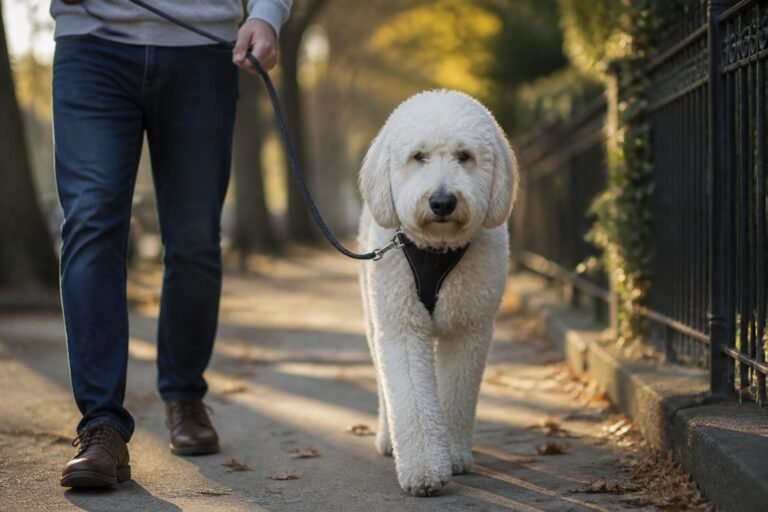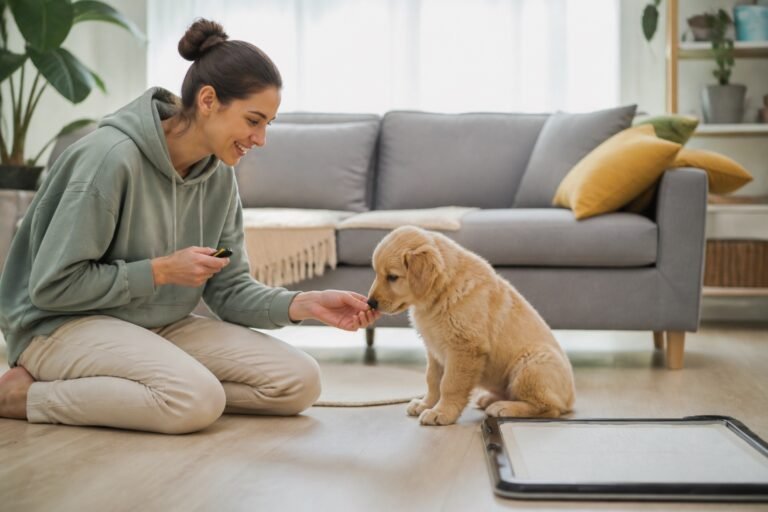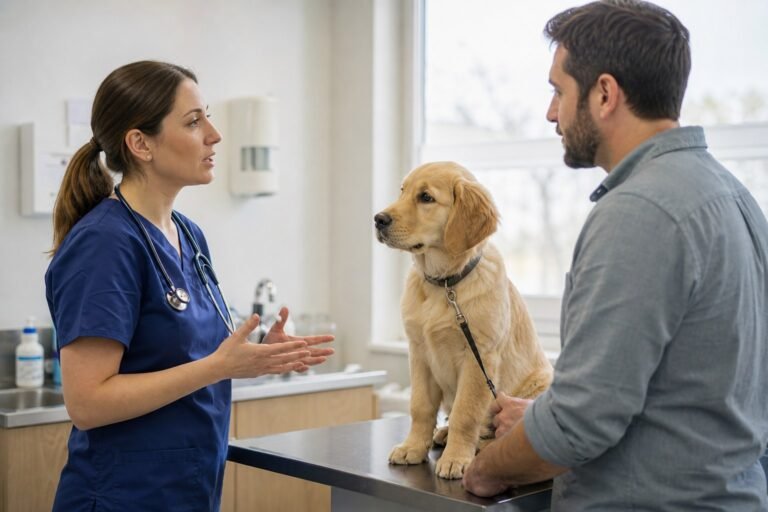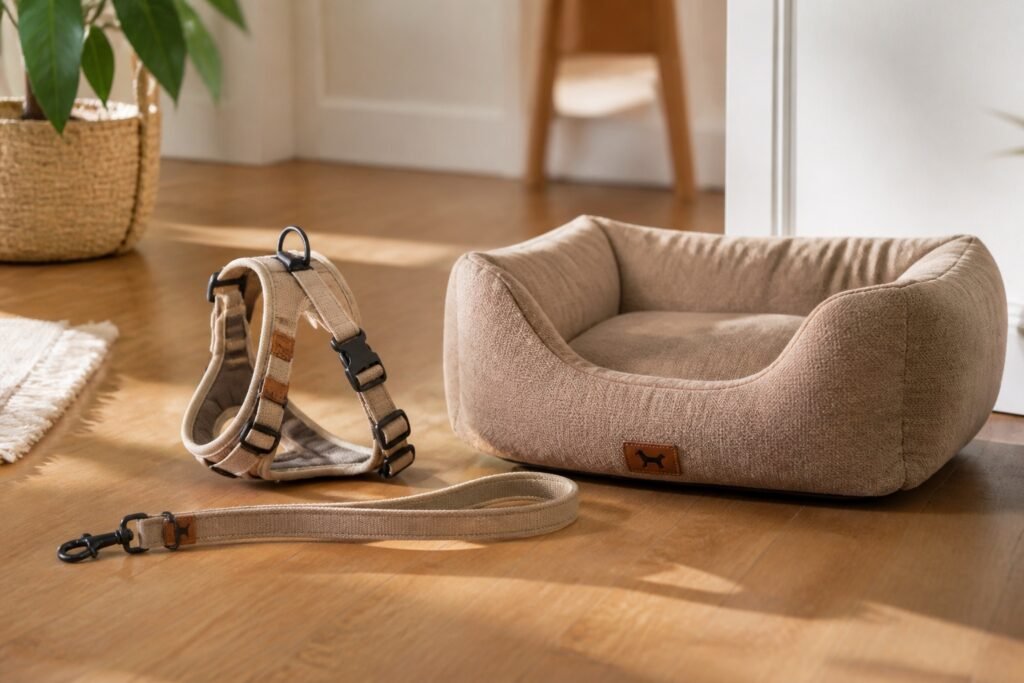
The essentials are identification, safe containment (collar/leash harness), feeder/waterer, rest area and pee management. The rest (coat, gadgets) is secondary to walks, education and veterinary care.
Safety first.If there are chafing, limping, dyspnea when using the equipment, or loose ingestible parts, remove it and check. Related:how many times to walk · educate on floor · useful technology.
Dog Equipment Criterion
The “essential dog accessories” accessory or habitat must be safe, sized and easy to clean. Prioritize well-being over showcase aesthetics.
- Security:No toxic parts, sharp edges or easy escape.
- Size:sufficient for natural behavior of the species.
- Maintenance:If you can't clean it often, it is not the right equipment.
Frequent errors
- Buying “to grow” without covering current needs.
- Mix recommendations from another species.
- Ignore signs of stress after a team change.
When to ask for help
Injuries, escape, drowning, poisoning by materials or total rejection of the new habitat: prioritize safety and professional consultation.
Based on reference sources.Orientation by species, anchored to reference sources. It does not replace veterinary care.
Useful short list
- Well-adjusted harness/collar, leash, feeder/waterer, bed, identification (microchip tag).
- Avoid toys that break apart or ropes that are swallowed.
- Transportation: approved carrier if you travel.
Frequently asked questions
Can I copy a tip from another species?
No. Do not mix advice from cats, birds or aquariums into your dog's routine.
Home medication
Do not use human drugs or viral tips.
Does this replace a veterinarian?
No.
Sources
- AVMA — Dog care www.avma.org· consulted 2026-08-07
- Merck Veterinary Manual — Dog owners www.merckvetmanual.com· consulted 2026-08-07