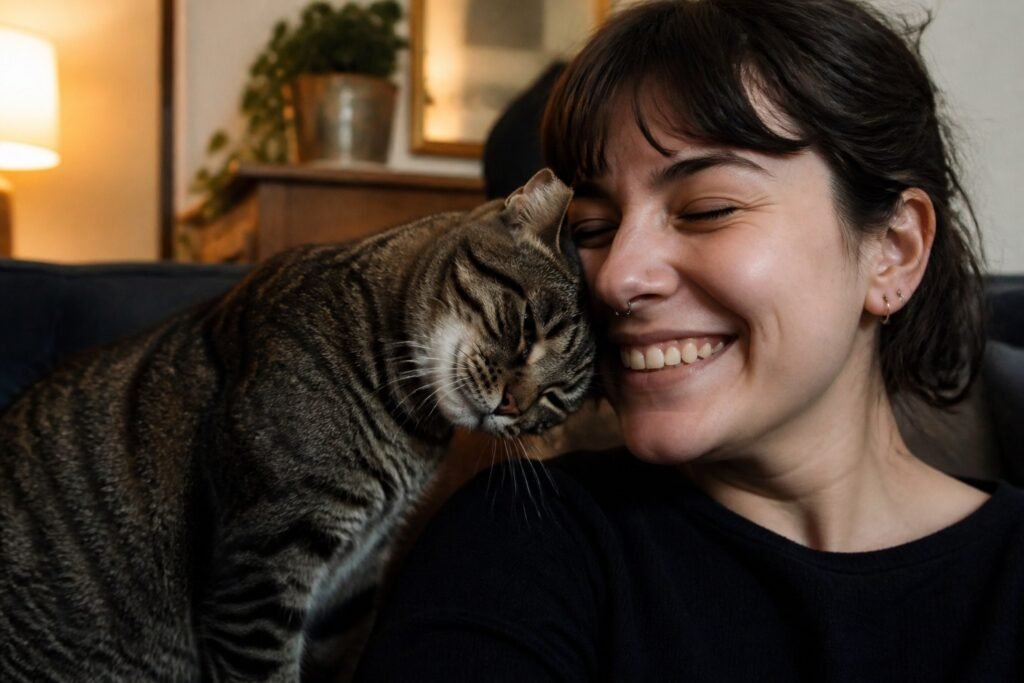
Cats show bonding in their own way: slow blinking, head rubbing, tail held high, purring in relaxed context and seeking your company. It is not the same as a dog; it interprets the set of signals, not an isolated gesture.
Feline reading.If he suddenly avoids contact or hides, look at health and stress before assuming rejection. Related:fortification ( of food ) · He hides. · char.
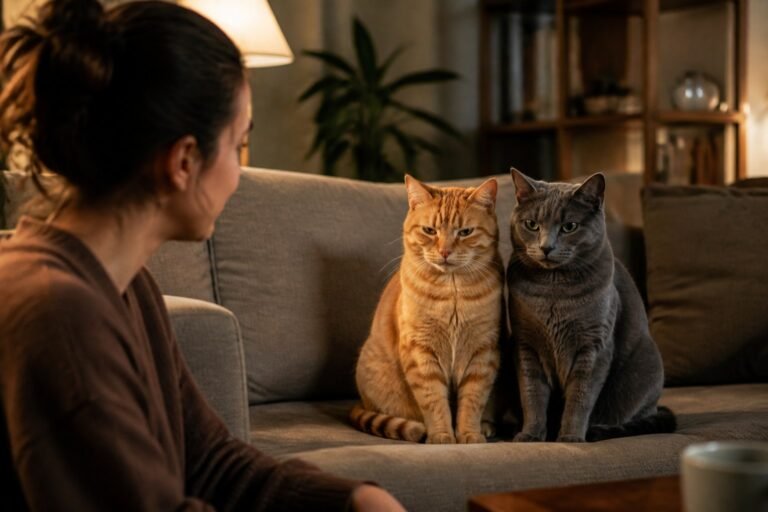
The question "does my cat love me?" usually arises from comparing feline affection with canine affection: wagging tail, jumps upon arrival, constant demand for color. Many cats want it differently: they choose to be in the same room, greet you with a short meow, rub the door frame, and leave. That's attachment, too.
The bond is built with predictability, playfulness and respect for the contact threshold. Forcing hugs “to show affection” teaches the opposite: that human hands are traps. Reading the cat's body is half of emotional care.
No isolated sign proves eternal love or hatred. A purr can show up in stress; a couch scratch isn't revenge. Look at repeated patterns in calm.
Baseline Reference:iCatCare — cat care advice; general care inAVMA — cats; framework of coexistence inASPCA — cat care.
Frequent Attachment Signals
- Flashes slowlyand soft look: you can return it without coming close.
- Rub cheeks and flanks(affiliative marking): it includes you in its safe odor map.
- Queue upupon receiving you, sometimes with a curve in the form of an interrogation.
- Knead, sleep nearbyor follow you into the room without extreme distress.
- Bringing “gifts”or play by your side: how to integrate your presence into their repertoire.
- Exposure of the bellydoes not always ask for caresses: sometimes it is visual confidence; respects if closed.
How to respond without overwhelming
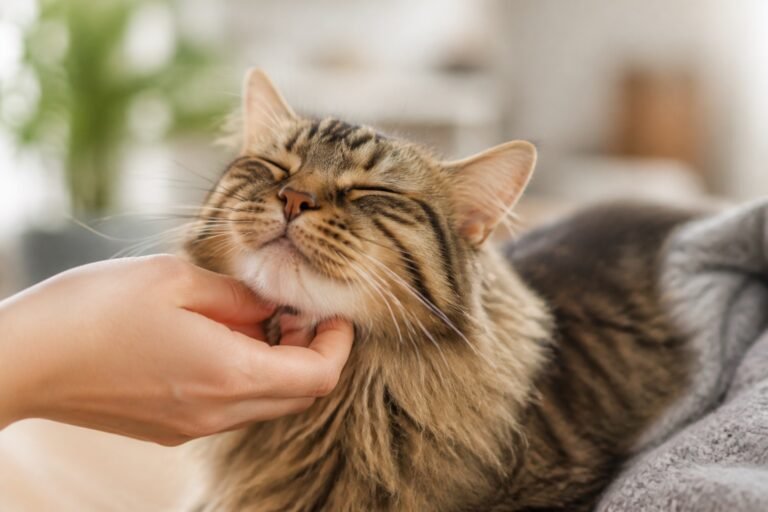
He offers his hand at mid-height and lets him start. Stroke head and cheeks if you accept; many tensions begin by insisting on the belly or holding. Finish the contact a second before he retires: this is how you learn that he can trust your brake.
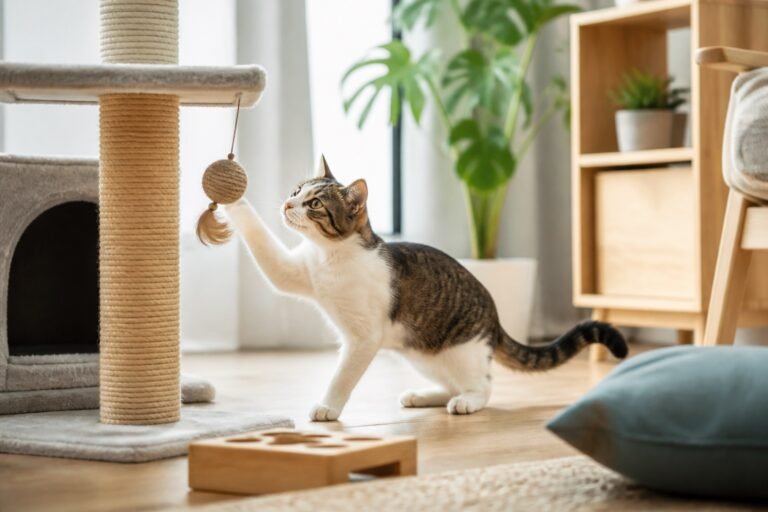
The game with cane (lie hunt) strengthens the bond more than the forced color. Short daily sessions, with an ending in which you "hunt" a prize or a toy, reduce bites of overstimulation and improve coexistence.
What is not “hate” or contempt
- Not wanting to collo at that time.
- Scratching the sofa: need for nails and marking; it is managed with scrapers, not with punishment.
- Hiding with visits: stress management, no permanent personal rejection.
- Meowing in the kitchen: often anticipation of food, not a love test.
When the bond seems to break
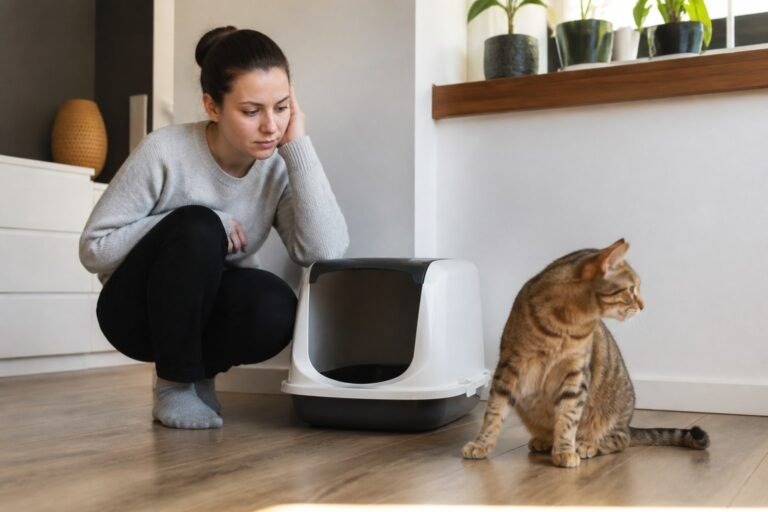
A cat that suddenly avoids hands, whistles, hides for days or stops using the litter box may be in pain, fear or territorial conflict. Don't just interpret it as “he doesn't love me anymore.” Review changes at home (construction, new animal, move) and consult your veterinarian if the change is abrupt.
Enrichment - heights, hiding places, sufficient sandboxes, game routine - sustains the relationship as much as caresses. A bored or hurt cat does not “render” affection on demand.
Children and realistic expectations
Teach her to ask permission with the cat's body: if she walks away, it's over. A child chasing under the bed teaches fear, not bonding. Celebrate gentle cues (approach, blink) instead of measuring affection in minutes of color.
Based on reference sources.Editorial guidance from Faunexia on coexistence. It does not replace veterinary evaluation or clinical ethology in the face of fear or aggression.
Frequently asked questions
How do I know if my cat loves me?
Look for repeated soft cues: slow blinking, rubbing, high tail, and calm proximity seeking.
If he's not cuddly, does that mean he doesn't love me?
No. Many links are discreet. It respects your contact threshold and offers play.
Is purring always happiness?
Not always. Also appears in stress or discomfort. Interpret the full body context.
Should I return the slow blink?
You can; it's a gentle form of communication. Don't slam into it while blinking.
Does this replace a veterinarian?
No. In case of sudden avoidance, aggressiveness or sandbox changes, ask for professional help.
Sources
- iCatCare — Cat care advice icatcare.org· consulted 2026-08-13
- AVMA — Cat care / pet owners avma.org· consulted 2026-08-13
- ASPCA — Cat care aspca.org· consulted 2026-08-13