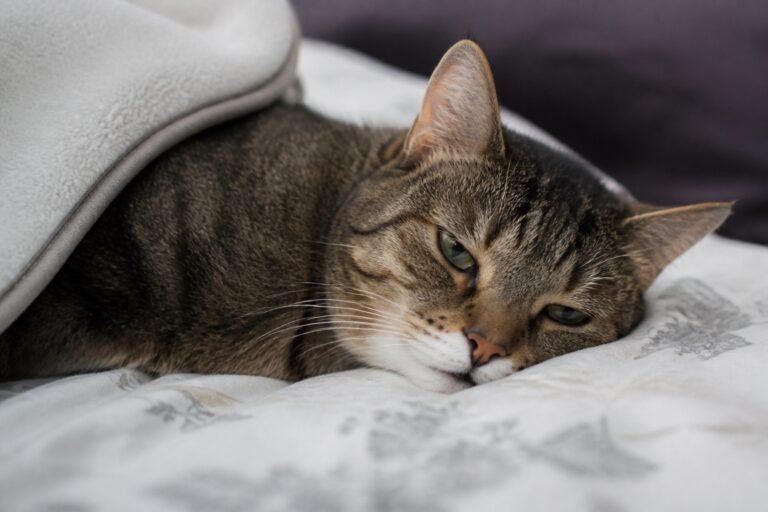
An isolated vomit of hair or food may be banal; Repeated, bilious, bloody vomiting, lethargy or anorexia call for a veterinarian. Distinguish vomiting from regurgitation when you can.
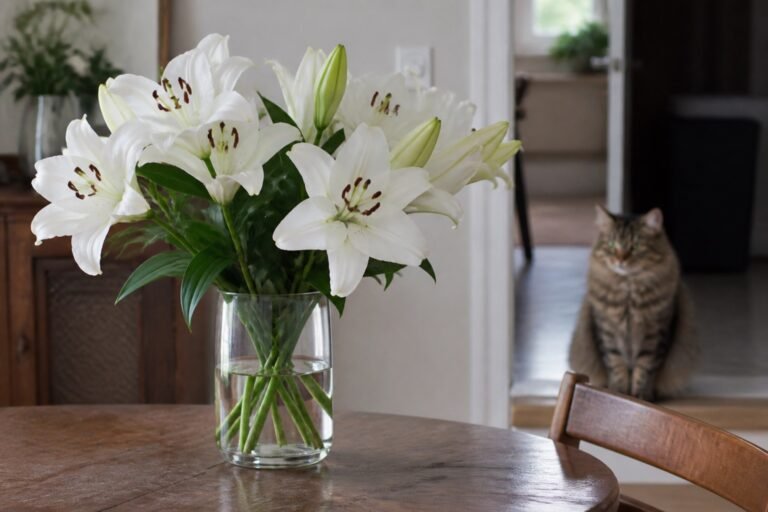
What to do now. Anota frecuencia, contenido, apetito y acceso a plantas/toxics (p. ej. lirios). Relacionado: lilies · diarrhea
Definition (guideline)
Reference:Merck — digestive cats; iCatCare
Vomiting is a sign. Common causes include hairballs, diet, foreign bodies, kidney/thyroid disease, pancreatitis or others; They are not diagnosed online.
Triage by duration, frequency and condition
- Species:cat.
- An isolated episode in an active animal ≠ repeated signs, blood, pain or lethargy.
- Puppies/kittens, seniors and animals with chronic illness: lower threshold.
Warning signs — go
- Repetición, sangre, letargo, dolor, sospecha de lirio/toxic.
- Kitten or senior cat.
What not to do
- Not human antiemetics. Don't punish the symptom.
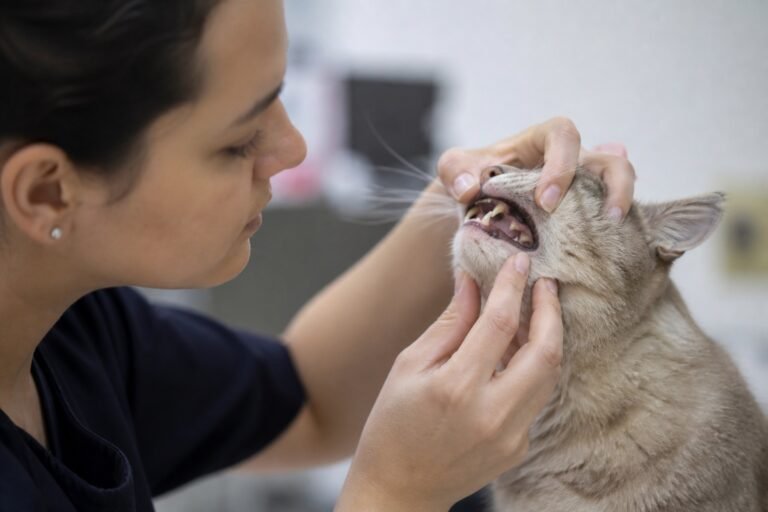
What to bring to the consultation
- Chronology, diet, plants, medication, photos.
Based on reference sources.Editorial criteria anchored to reference sources (Merck, AVMA, ASPCA or others cited). It does not replace in-person veterinary care. No operative doses no source of the case.
Frequently asked questions
Can I medicate at home
Do not use human drugs or viral tips without veterinary indication.
Do you wait "to see if it goes away?"
Not if there is alarm, suspected toxicity or high-risk animal.
Does this replace a veterinarian?
No.
Sources
- Merck Veterinary Manual — Digestive disorders of cats www.merckvetmanual.com· consulted 2026-08-07
- ASPCA — Toxic and non-toxic plants www.aspca.org· consulted 2026-08-07